
Imagine shelves full of old volumes, pages yellowed by time, packed with numbers: these are hydrological yearbooks containing daily flow measurements of the Italian rivers, carefully collected over decades. An enormous resource for those who study water, climate change, and water resource management.
The problem? These data exist, but they are locked inside books, printed on paper, difficult to consult and impossible to analyze automatically.
This is where the SIREN project comes in — an initiative in citizen science that involved volunteer citizens in the digitization of these historical data.
Before and during the project, we asked ourselves whether there were really people willing to manually transcribe thousands of numbers from old tables. Who are these volunteers? What motivates them to take part in such a project? Are they science enthusiasts? Students? Retirees? Simply curious individuals?
To answer these questions, we paired the digitization work with a sociological study: we analyzed activity data from Zooniverse (the online platform hosting the project), interviewed some participants, and finally launched an anonymous survey.
What did we discover?
In short: volunteers are not all the same, and their motivations are very diverse:
- some participate to make use of skills acquired over their lifetime, such as transcription and data entry, finding satisfaction in an activity that requires precision but is not too demanding;
- others look for a calm and relaxing activity, perhaps to do during a break from work or in the evening, as an alternative to TV or social media;
- and then there are enthusiasts of hydrology or science, who choose the project for personal or professional interest.
Age and gender also influence the perceived experience: for example, women described the project as “easy,” “relaxing,” and “engaging” more often than men, while older users tend to find the activity less difficult compared to younger ones.
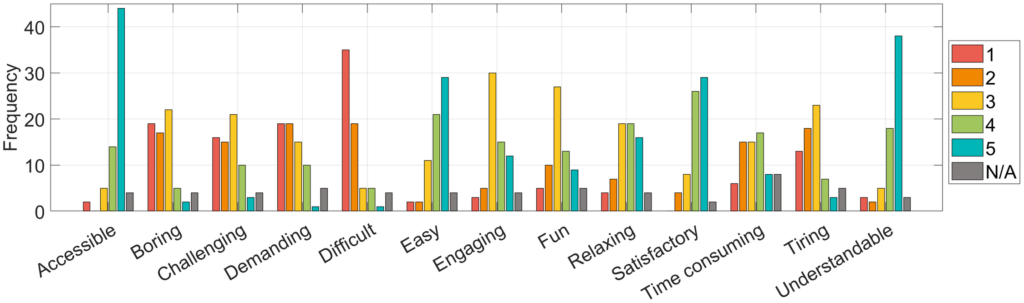
Contrary to stereotypes, retirees make up a significant portion of the most active volunteers, showing that online citizen science can also appeal to age groups often overlooked by digital projects.
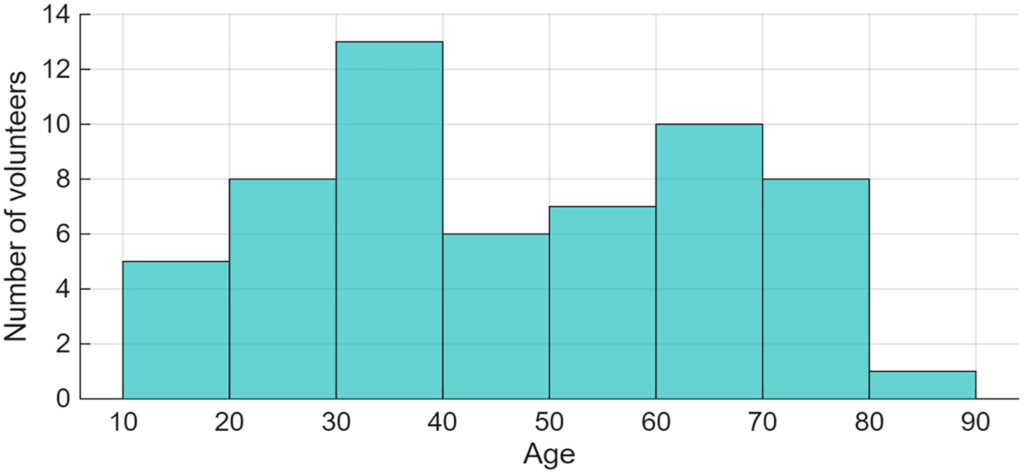
Why is all this important?
Because projects like SIREN not only recover valuable data for scientific research but also offer a participatory experience that values people, their time, and their skills. Understanding who participates and why is essential to make these initiatives more inclusive, effective, and sustainable.
To learn more, the full scientific publication is available at: https://doi.org/10.1371/journal.pone.0333091.